
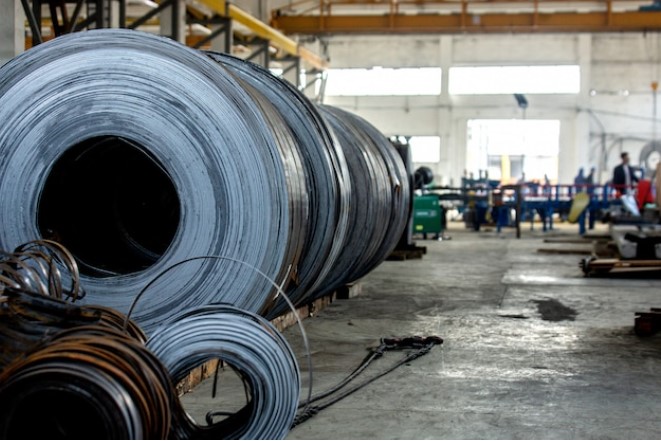

Steel is one of the most essential materials in manufacturing and industrial production, playing a critical role in sectors ranging from construction and automotive to machinery and energy. The availability and reliability of steel supply directly influence production efficiency, costs, and the overall competitiveness of industries. Understanding how steel supply affects manufacturing processes can help businesses plan, mitigate risks, and optimize operations.
1. Ensuring Continuous Production
A steady steel supply is crucial for uninterrupted manufacturing. Industries such as automotive, construction, and heavy machinery rely on consistent access to steel to meet production schedules.
Any disruption in supply can lead to downtime, delays in product delivery, and reduced output. Manufacturers often face significant financial losses when production halts due to a shortage of raw materials.
2. Impact on Costs and Pricing
Fluctuations in steel supply directly affect material costs. When supply is limited, prices rise, which increases production expenses and can lead to higher prices for finished products.
Conversely, a stable and abundant steel supply allows manufacturers to negotiate better rates and manage budgets more effectively. Businesses that closely monitor steel market trends can plan purchases strategically to reduce costs and remain competitive.
3. Influence on Product Quality
The quality of steel used in manufacturing also depends on the reliability of the supply. Consistent sourcing from trusted suppliers ensures that the steel meets required specifications and standards.
High-quality steel is essential for structural integrity, durability, and performance in products ranging from vehicles to industrial equipment.
4. Supporting Innovation and Production Efficiency
Modern manufacturing increasingly relies on advanced steel grades and specialized alloys to improve product performance and efficiency. A dependable steel supply enables industries to experiment with innovative designs, lighter structures, and higher-strength materials.
Access to consistent steel resources allows manufacturers to implement new technologies and production methods without fear of material shortages disrupting operations.
5. Managing Supply Chain Risks
The steel industry is subject to global market fluctuations, trade restrictions, and logistical challenges. Manufacturers must develop strategies to manage these risks, such as diversifying suppliers, maintaining safety stock, and establishing long-term contracts.
Proactive management of the steel supply chain ensures stability, reduces vulnerability to market volatility, and helps industries maintain production targets.
6. Economic and Industrial Implications
Steel supply not only affects individual manufacturers but also has broader implications for the industrial sector and the economy. Reliable steel availability supports infrastructure projects, automotive production, and machinery manufacturing, all of which drive employment and economic growth.
Conversely, disruptions in steel supply can slow industrial activity, affect exports, and create ripple effects across multiple sectors.
Conclusion
The availability and consistency of steel supply play a vital role in the efficiency, cost-effectiveness, and quality of manufacturing and industrial production. A stable steel supply ensures continuous production, supports innovation, and helps businesses manage costs and maintain competitiveness. Industries that prioritize strong supplier relationships, quality sourcing, and proactive supply chain management can mitigate risks and strengthen their overall operations. Ultimately, the steel supply is a cornerstone of industrial growth, product quality, and economic stability.